My parents kicked me out at 17 because of my brother’s lies. 10 years later, they found out I’m rich and invoked the ‘family’ card.
Left in the Rain at 17: Why I Refused to Save the Parents Who Discarded Me
I was seventeen years old the night my parents told me to get out.
It was raining—that cold, spring rain that seeps into your bones. I remember my mother standing by the kitchen counter, arms crossed, refusing to look at me. My father sat at the table, jaw clenched, staring at the wood grain. Behind them stood my older brother, Ethan.
Silent. Watching.
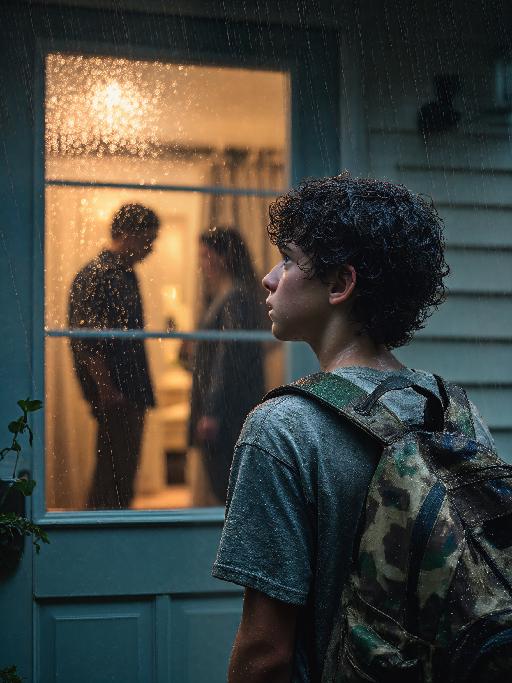
They told me I was “unforgivable.” They said I had brought “shame” to their house. A rumor had started at my high school: people said I stole money from a teacher. Then the story grew darker—drugs, cheating, violence. I denied it. I begged them to call the school. I begged them to be parents instead of judges.
But Ethan had already “confirmed” everything. He told them he’d seen the signs. He lied. I didn’t know then that Ethan was failing out of college and needed me to be the “family disappointment” so the spotlight wouldn’t hit him.
My parents gave me thirty minutes to pack a bag. No money. No phone plan. No plan at all. When I asked where I was supposed to go, my father said: “You’re old enough to handle the consequences of your actions.” I was a minor. I had nowhere to go. I walked out with a backpack, forty-two dollars, and the sound of my mother locking the deadbolt behind me.
The Ten-Year Silence
I survived. I slept on couches, then in my car. I worked graveyard shifts at a gas station and days in a warehouse. I put myself through community college, then a state university. I worked in silence because I didn’t want pity—I wanted distance.
By my late twenties, I had built a career in logistics consulting. A good salary. Stability. Respect. That’s when the message arrived on Facebook. “Hi honey. We’ve been meaning to reach out for a while.”
The “Family” Tax
We met at a coffee shop. Neutral ground. My mother smiled as if the last decade hadn’t happened. They told me how “proud” they were. Then, the real reason came out. They were behind on the mortgage. Medical bills were stacking up. And Ethan? He’d lost another job and was living in his old bedroom. They didn’t want a loan. They wanted me to take over their payments.
“Why now?” I asked. My mother didn’t blink. “Because family helps family.”
I reminded them of the night they threw me out. I asked if they knew the truth now. My mother admitted that years ago, the school had sent a letter clearing my name. They also admitted Ethan had confessed to the lies during a fight. “And you didn’t tell me?” “We didn’t think it would help to reopen old wounds,” she said.
The Final Deadbolt
Something broke inside me. They knew I was innocent, and they still let me believe I was disposable for years. I told them no.
My father called me cold, ungrateful, and selfish. He said if I hadn’t “struggled so little,” I’d understand how hard life is. I laughed. I told them about the hunger. The nights in the car. The fear. “Success doesn’t erase the trauma,” I said. “It just pays for the therapy to deal with it.”
Ethan was at the final meeting. He admitted he was just jealous of my scholarships and my grades. “I didn’t think they’d actually kick you out,” he shrugged.
I offered them one thing: I would pay for a financial advisor to help them restructure their debt. A one-time fix. No cash. No ongoing support. They were offended. They didn’t want a solution; they wanted control.
So I walked away—this time, by choice. The silence from my parents used to feel like a wound. Now, it feels like peace.