“Here’s a card with 300 dollars. It should cover you for a bit,” Patrick said with a cold face before walking out of the courtroom. I spent five years hating him for that insult—until I learned the devastating truth.
“Here’s a card with 300 dollars. It should cover you for a bit,” Patrick said with a cold face before walking out of the courtroom. I spent five years hating him for that insult—until I learned the devastating truth.
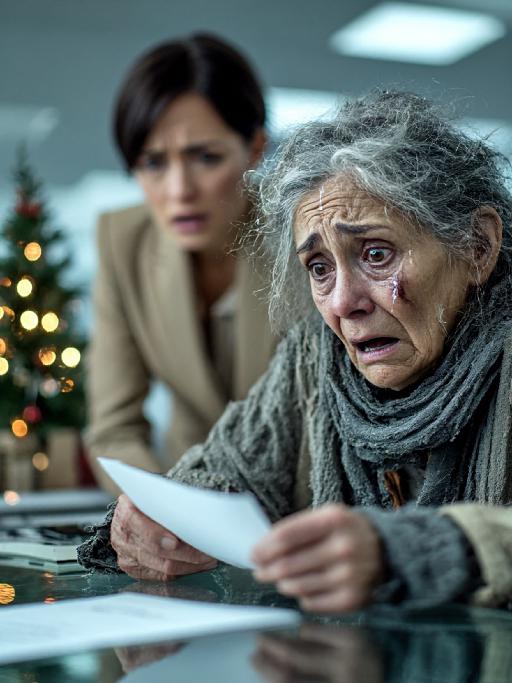
For five years, 65-year-old Ellen lived in a world of moldy walls and bitter regret. After 37 years of marriage, her husband Patrick had discarded her with a measly $300 on a debit card. She worked back-breaking jobs, scrubbing floors before dawn, refusing to touch that “poisoned” money out of pure, stubborn pride. She wanted to prove she didn’t need his crumbs.
But when she collapsed from malnutrition and finally went to the bank to withdraw what she thought were her last 300 dollars, the teller gasped. The balance was $987,000. Nearly a million dollars. There were monthly transfers, steady and silent, from an account in Patrick’s name. Confused and trembling, Ellen tracked down Patrick’s sister, only to receive a wooden box and a crushing blow: Patrick had died five years ago, just weeks after the divorce.
He had been diagnosed with terminal cancer and kept it a secret. He didn’t want Ellen’s final memories of him to be hospital beds, morphine drips, and the slow decay of the man she loved. He faked a cold, heartless divorce to push her away, ensuring she would live her remaining years in comfort rather than in mourning. His final letter read: “I chose cruelty so you wouldn’t have to choose sacrifice. Live fully. Laugh again. If there is another life, I would choose you again.” Ellen realized then that she had never been abandoned; she had been loved with a protective ferocity that surpassed even death.