On her 18th birthday, she looked me in the eye and said, “Pack your bags.” I thought I was losing the daughter I’d spent thirteen years protecting. I didn’t know I was finally being rescued.
On her 18th birthday, she looked me in the eye and said, “Pack your bags.” I thought I was losing the daughter I’d spent thirteen years protecting. I didn’t know I was finally being rescued.
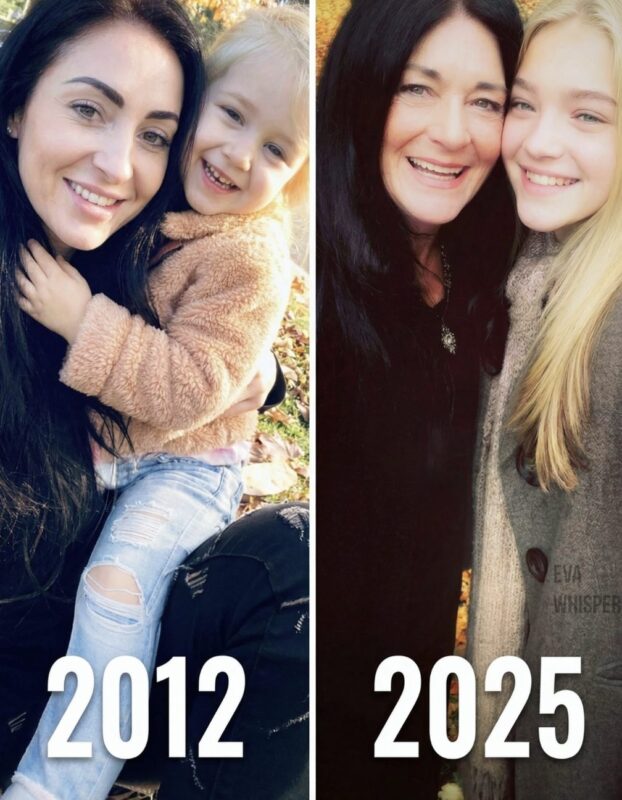
Anna and Lila were foster sisters who promised that the cycle of abandonment would end with them. When a car accident took Lila, Anna stepped into the void, adopting 5-year-old Miranda. For the next thirteen years, Anna’s life was a series of silent subtractions. She subtracted her sleep, her bank account, and even the man she loved, all to ensure Miranda never felt “second best.” Anna had famously kept a picture of Machu Picchu on her fridge for a decade—a dream she’d sold off to pay for Miranda’s medical bills and theater camps.
On the night of Miranda’s 18th birthday, the atmosphere turned clinical. Miranda announced she had accessed her biological mother’s trust. “I’m in charge now, Anna. It’s time for you to pack your bags.” The words felt like a physical blow. Anna, back in the mindset of a rejected orphan, began to pack in a daze of grief.
Then, Miranda dropped a gold-stamped envelope on the bed. Inside were two passports and itineraries for a two-month journey across South America. “You spent 4,745 days putting me first,” Miranda wept, dropping the cold facade. “You gave up your world so I could have mine. Now, I’m taking you to yours.” That night, the bond between them shifted from caregiver and child to a legendary partnership. Anna had spent years building a home for Miranda; Miranda had spent months building a future for the woman who saved her.